Why I Write
I was born in the Coachella Valley to a Mexican American pioneer family. My grandmother, Margarita Ramirez Montoya, raised four boys alongside her three sisters and their children in the farm labor camps of that valley. My grandfather planted date trees. The women worked the date packing plants. The kids made the desert their playground.
That generation stayed tight, and stayed that way their whole lives. We gathered often. Every summer we camped in the mountains, and that is where my love of theatre began — sitting by the fire late at night listening to the elders tell stories. Their laughter. Their love of each other. The way they asked each other, every single year, to tell this one again, and then this one.
I fell in love with stories there. With the power in them. A story defines a person. It defines a people, and their history.
The challenge has been that the American professional theatre has never been much interested in these particular stories. Stories of love and laughter, of sacrifice, of patriotism. The comic ones and the dangerous ones.
Ask most people to name a Mexican American who changed the course of this country. Then count the seconds.
That is not because the contribution isn't there.
Brown v. Board of Education, 1954, is the milestone everyone knows — a unanimous Warren court holding that segregating children in public schools was unconstitutional, with Thurgood Marshall arguing for the plaintiffs before he joined that court himself.
Eleven years earlier, in 1943, Gonzalo Mendez tried to enroll his children in an Orange County school. They were turned away for being Mexican. In 1946, Mendez v. Westminster took on four school districts and made California the first state in the nation to outlaw school segregation. The governor who signed that law was Earl Warren. One of the lawyers on the case was Thurgood Marshall.
Eight years before Brown. The same two men. Almost nobody knows it.
A civil rights narrative was built in this country with room for only two colors, and everyone left out of it was quietly written out of the struggle toward a more perfect union. That erasure has cost my community deeply, and it has cost the country too — it sows division and mistrust between people who were always on the same side.
Stories can heal that.
Mendez is the story I want to tell. It is one of many — the ones that weave us back into the tapestry of this nation. We are Americans. We have been here since before there was a country. We have paid the price.
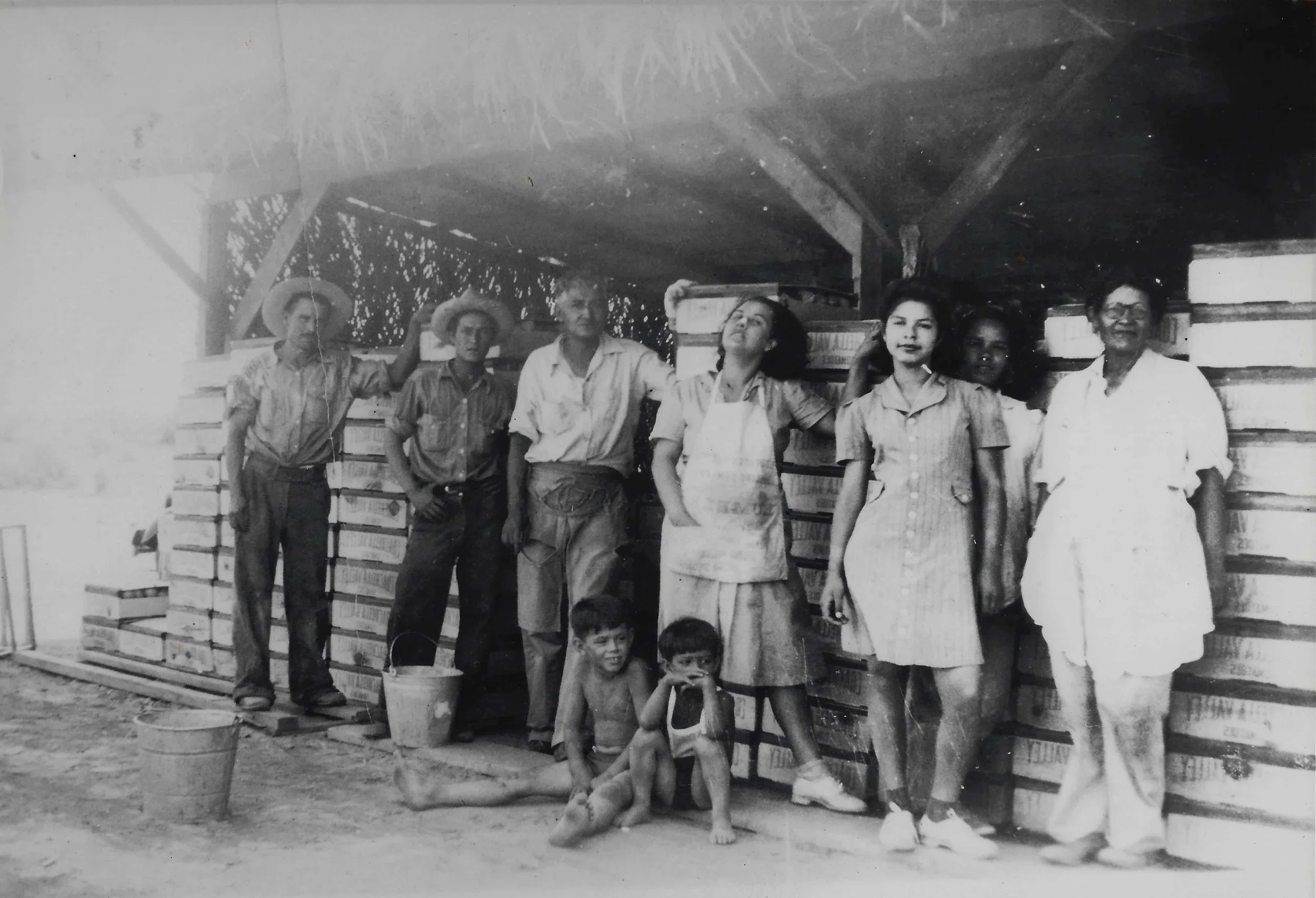
My grandmother, Margarita Montoya, center, Sniff's Date Garden, circa 1930
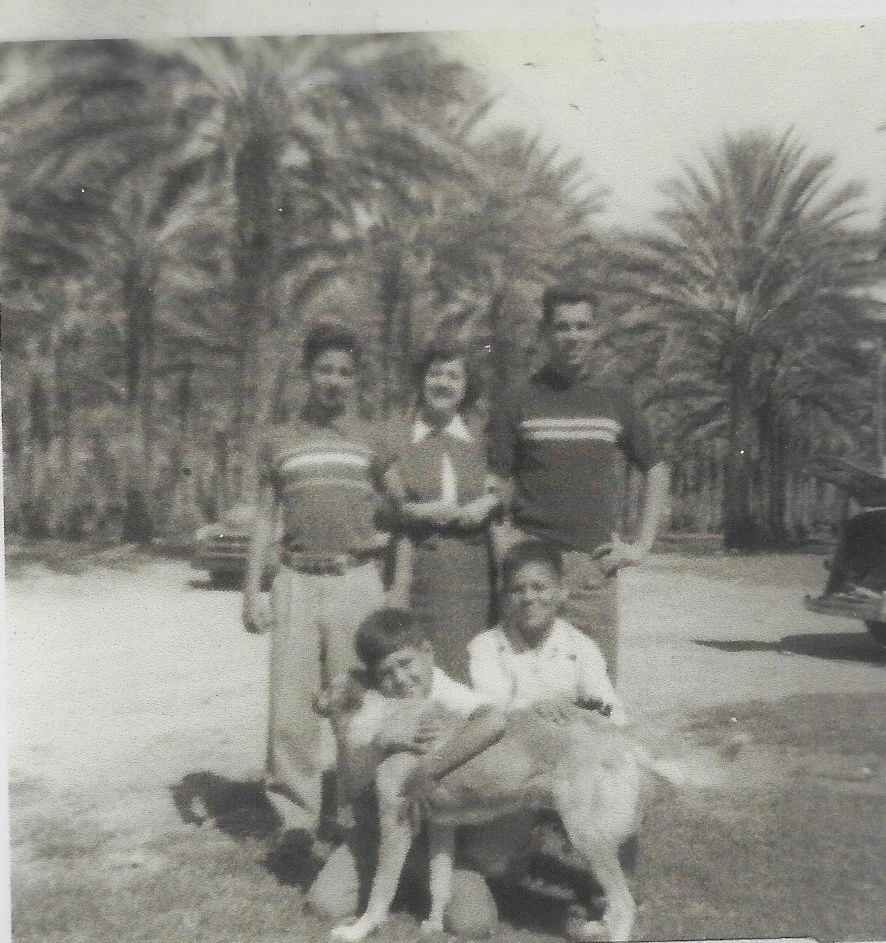
Margarita and her sons, 1949
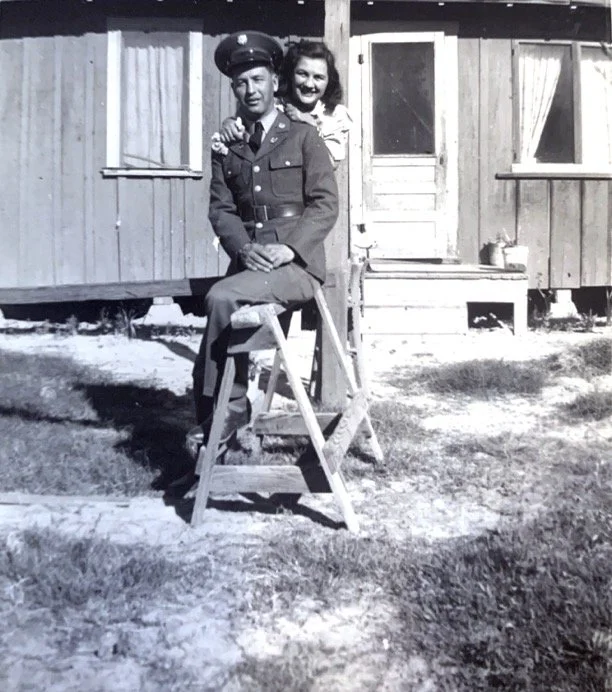
Margarita and her brother Ignacio, 1940